Cat Colors and Patterns, Explained
Why does your cat’s fur have a unique color pattern? We have answers.
Why does your cat’s fur have a unique color pattern? We have answers.
by Emily Johnson, | October 21, 2025
Aphisith Champalod Photo / Shutterstock
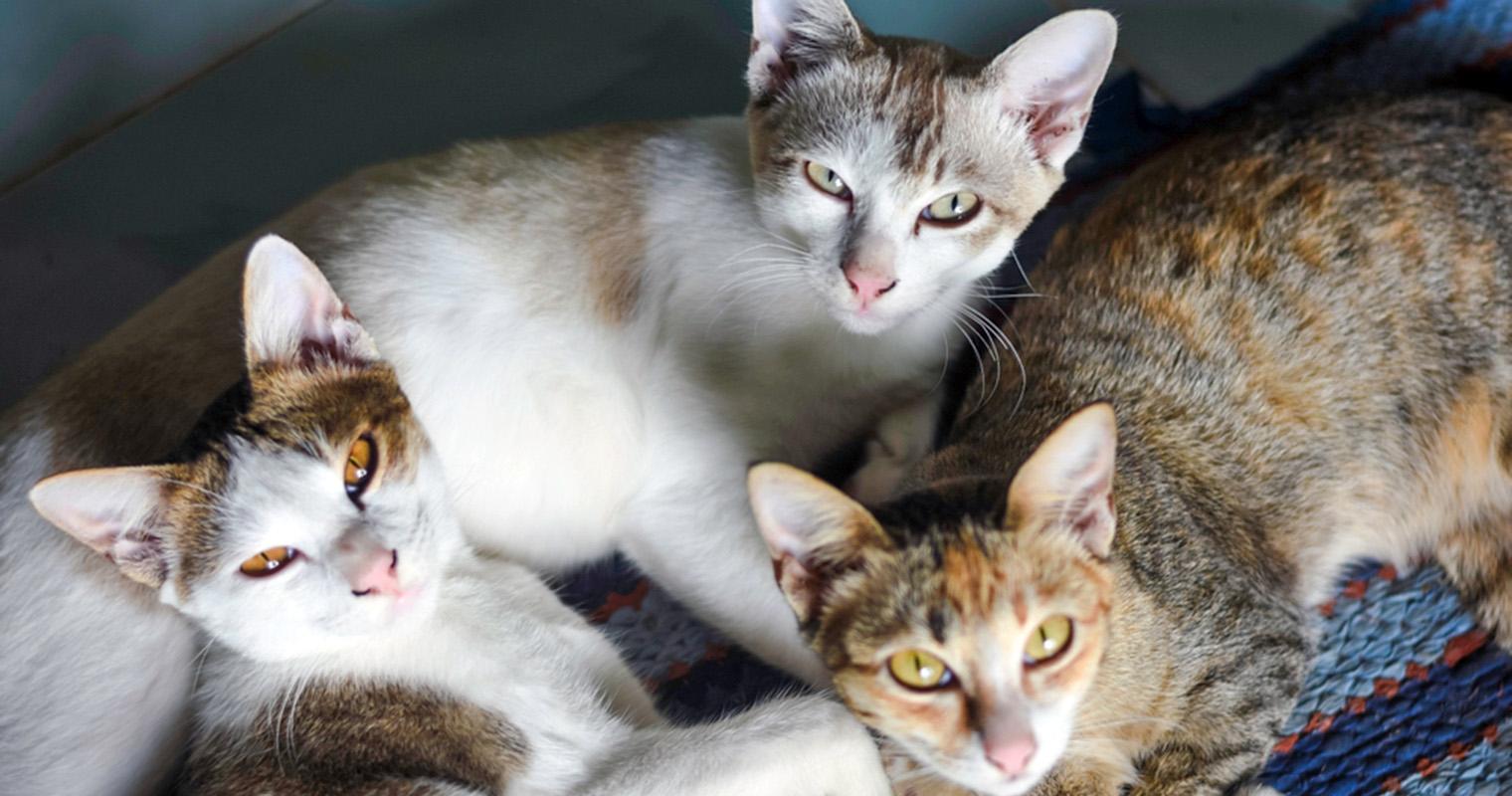
No two cats look exactly alike, and much of that magic comes down to their coat color and pattern. From sleek black cats to spotted tabbies and tricolor calicos, a cat’s coat is shaped by fascinating genetics that determine everything from hue to pattern placement.
If you’ve ever wondered why your cat’s fur looks the way it does, or just want to know how to identify different cat colors, here’s a guide to help you decode feline coat colors and patterns.
Your cat’s coat color starts with genetics. Two main pigments — eumelanin (black/brown) and pheomelanin (red/yellow) — combine in different ways to create every possible shade. Genes determine how much of each pigment is produced and where it appears on your cat’s body.
Modifier genes then get involved, diluting, intensifying, or altering these pigments. That’s why two cats with the same parents can look completely different. For example, a “dilute” gene can turn black into gray (often called blue), or red into cream.
Patterns — like stripes, spots, or patches — are also genetic. They’re caused by the agouti gene, which controls whether or not each hair is solid or banded with multiple colors.
Although cats come in nearly every shade imaginable, some solid colors are more common than others. Here’s a look at the most typical coat colors you’ll see, and what makes each one special.
Hasret Sonmez / iStock
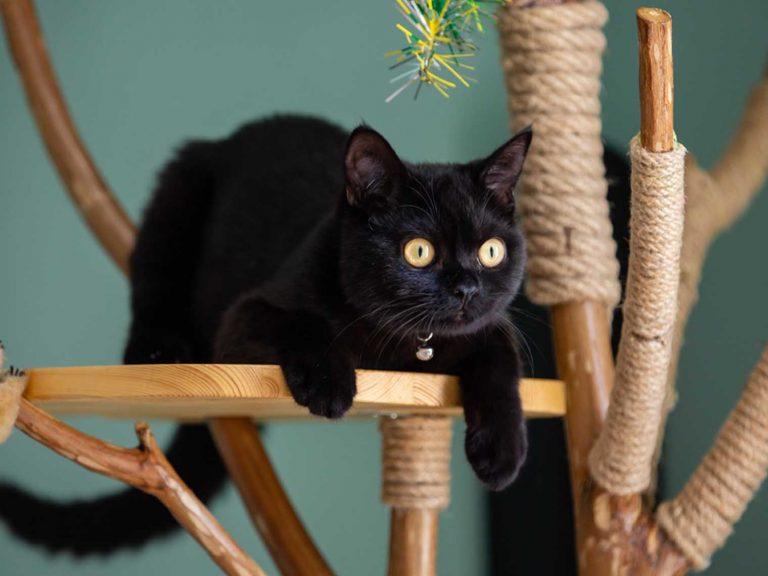
Black cats get their dramatic coats from high concentrations of eumelanin (the black/brown gene). Their fur can appear jet black, brownish-black, or even slightly rusty in the sun. Some black cats can even develop faint tabby stripes (known as “ghost markings”) that appear under bright light.
Larisa Shpineva / Shutterstock
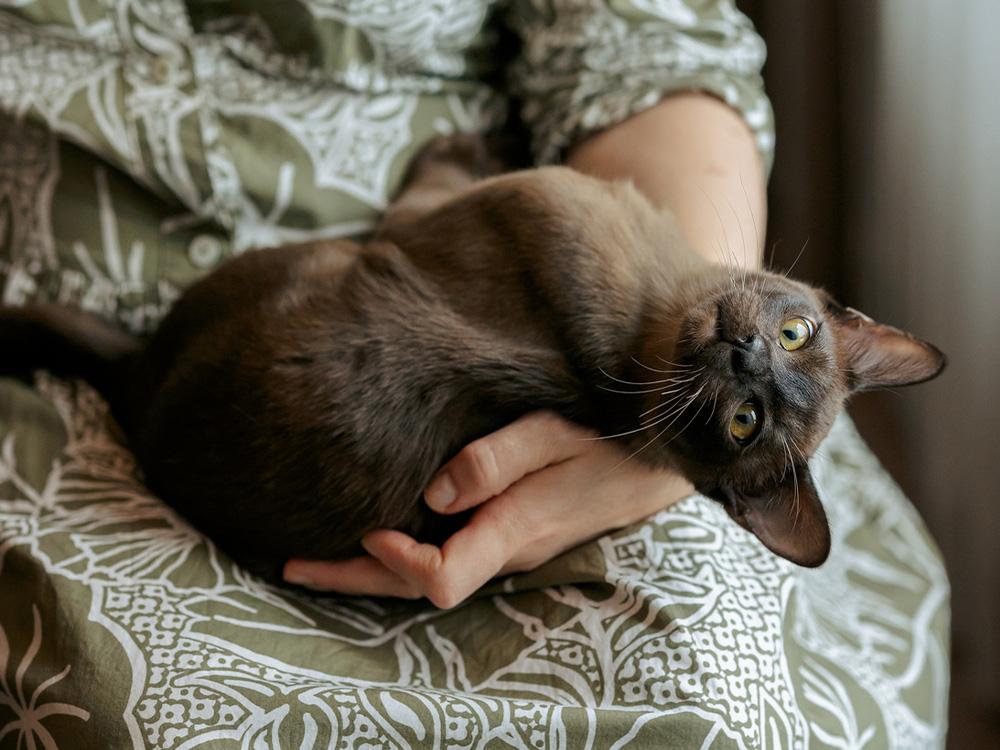
In most brown cats, the color shows up as a tabby pattern — stripes, swirls, or spots over a brownish-black base. That means that even if a cat looks mostly brown, they’re usually patterned — unlike the solid chocolate coat you’d find in Havana Browns or Burmese cats. Brown and chocolate tones come from a mutation that lightens black pigment to a deep, warm brown.
Boris Jovanovic / Stocksy
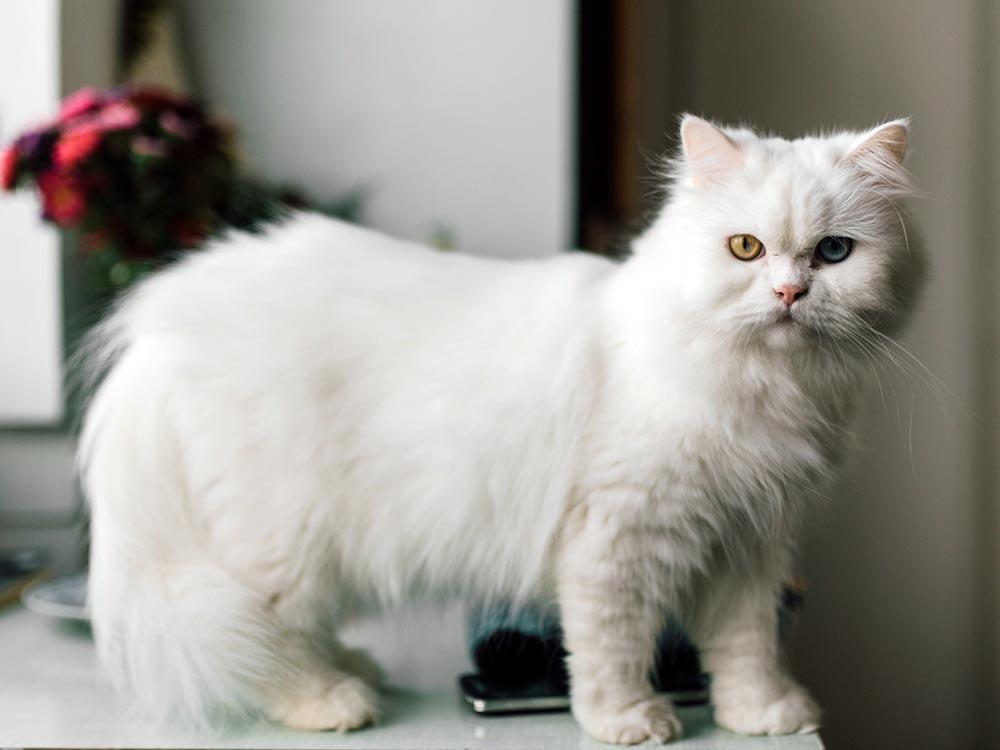
White cats get their coats from the dominant white gene or from white spotting genes that mask other colors. Their fur can be pure, sparkling white across the body, or it is sometimes paired with small patches of color. Certain white cats may show subtle hints of their underlying color at the roots or when they’re kittens, but in most adults, the coat is solidly snow-colored.
furryFritz / AdobeStock
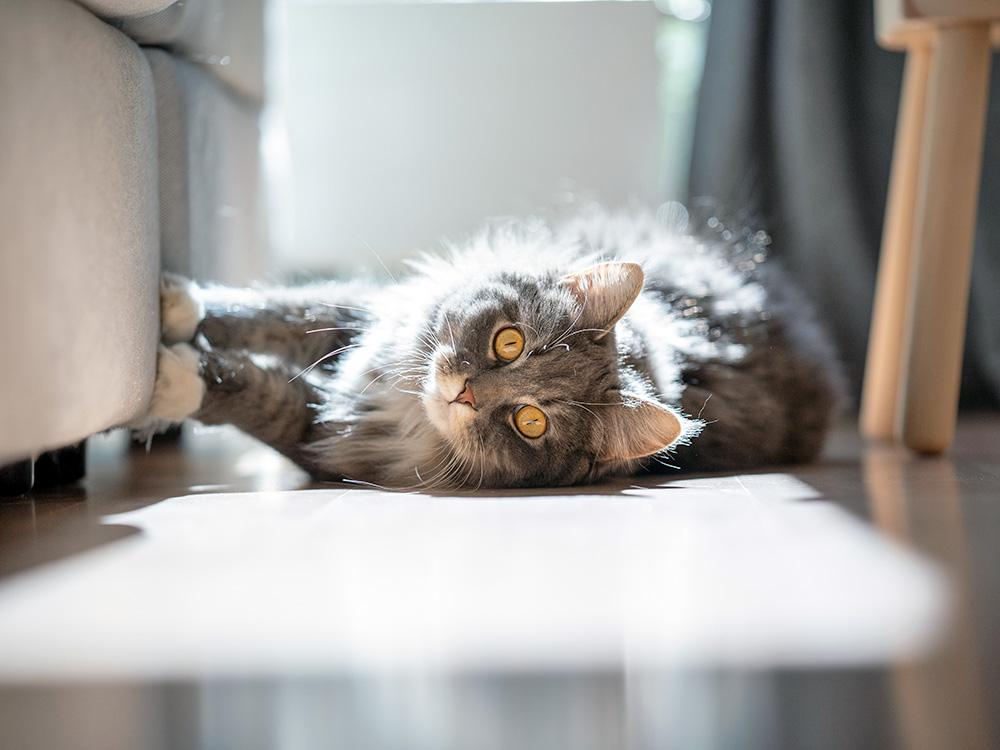
Gray cats — sometimes called “blue” in cat-fancy terms — are actually the diluted version of black. Gray coats can have a slightly bluish cast. Their silvery coats can range from pale pewter to deep slate. Gray is especially popular among breeds such as the Russian Blue and Chartreux. The color can make their fur look plush and velvety, especially under natural light.
Olga / Adobe Stock
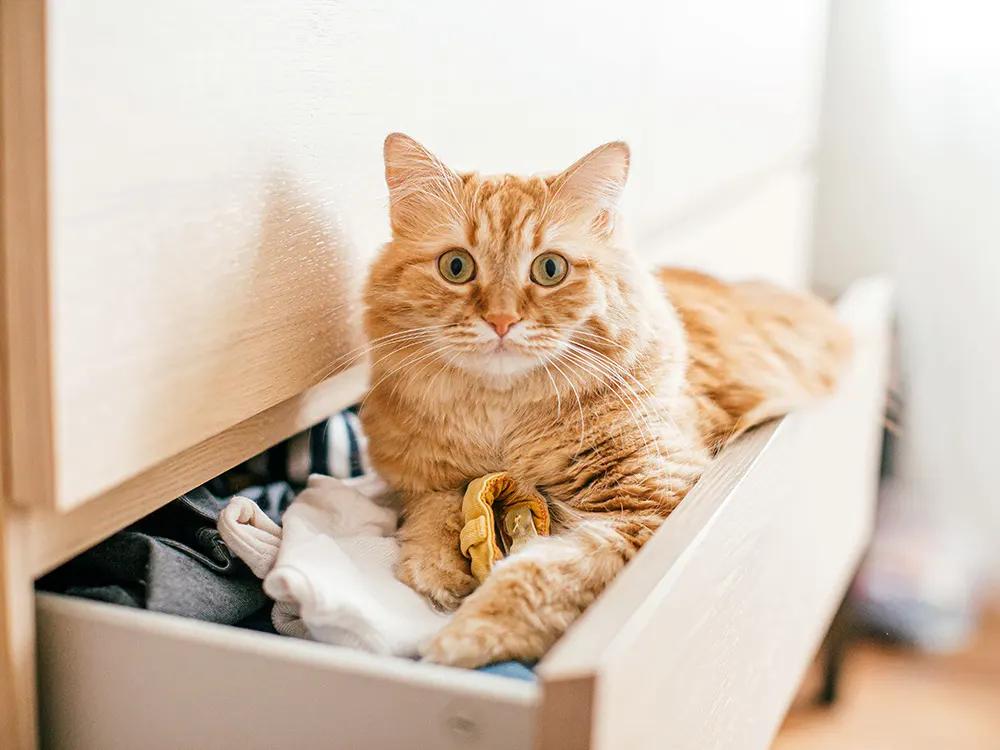
All orange (aka red) cats carry a version of the pheomelanin gene that produces warm, reddish tones. Their fur can range from pale ginger to deep, vibrant red. Even when they look solid, they always have faint tabby patterns hiding in the coat — stripes, swirls, or spots may become visible under certain lighting.
Justin Mullet / Stocksy
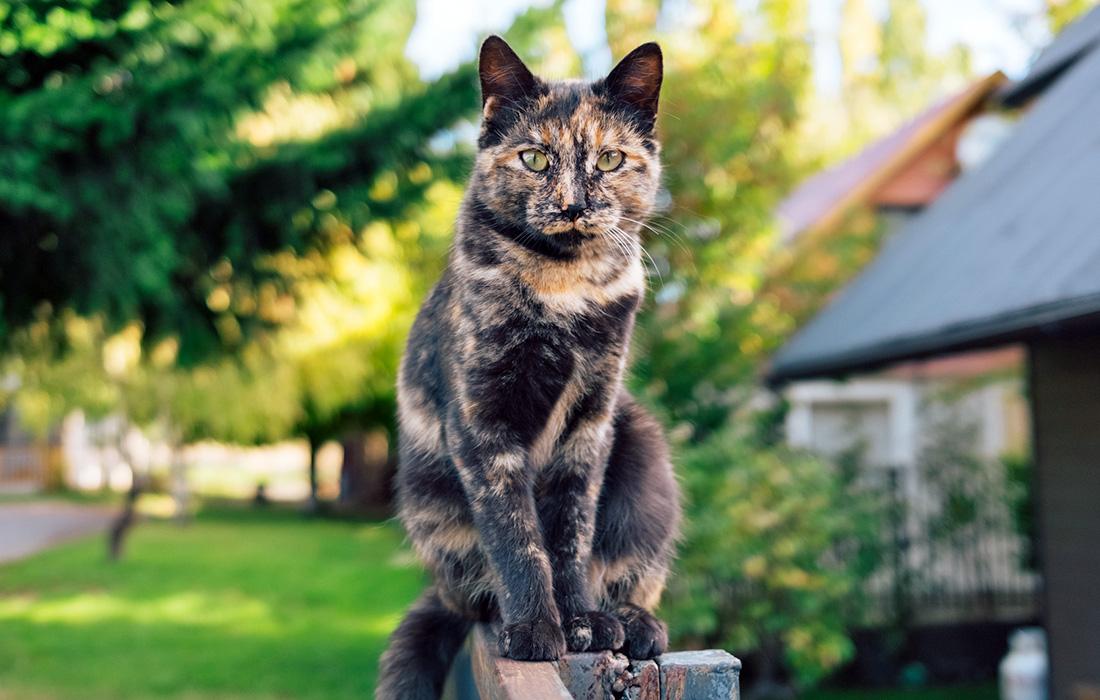
Tortoiseshells (or “torties”) are a striking mix of black and orange, often marbled together. Almost all tortoiseshell cats are female, since the gene for orange coloring is carried on the X chromosome. Their coats are as unique as fingerprints — no two are ever alike.
Valeria Boltneva / Pexels
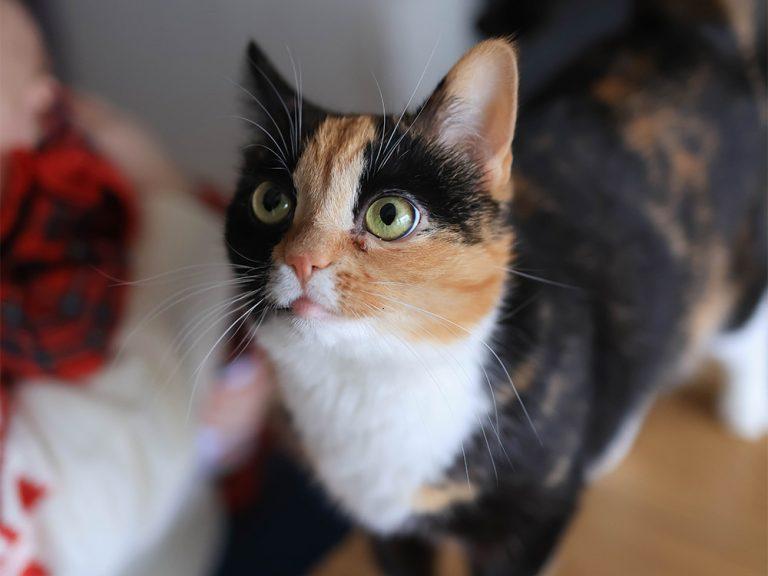
Calicos feature patches of white, black, and orange. Like torties, they’re almost always female. The large, distinct patches of color come from a mix of pigment and white spotting genes. Some cats, called “dilute calicos,” may have more white or more orange and black.
Certain cat coat colors are rare and often the result of specific genetic combinations.
Jolanta Jd / Shutterstock
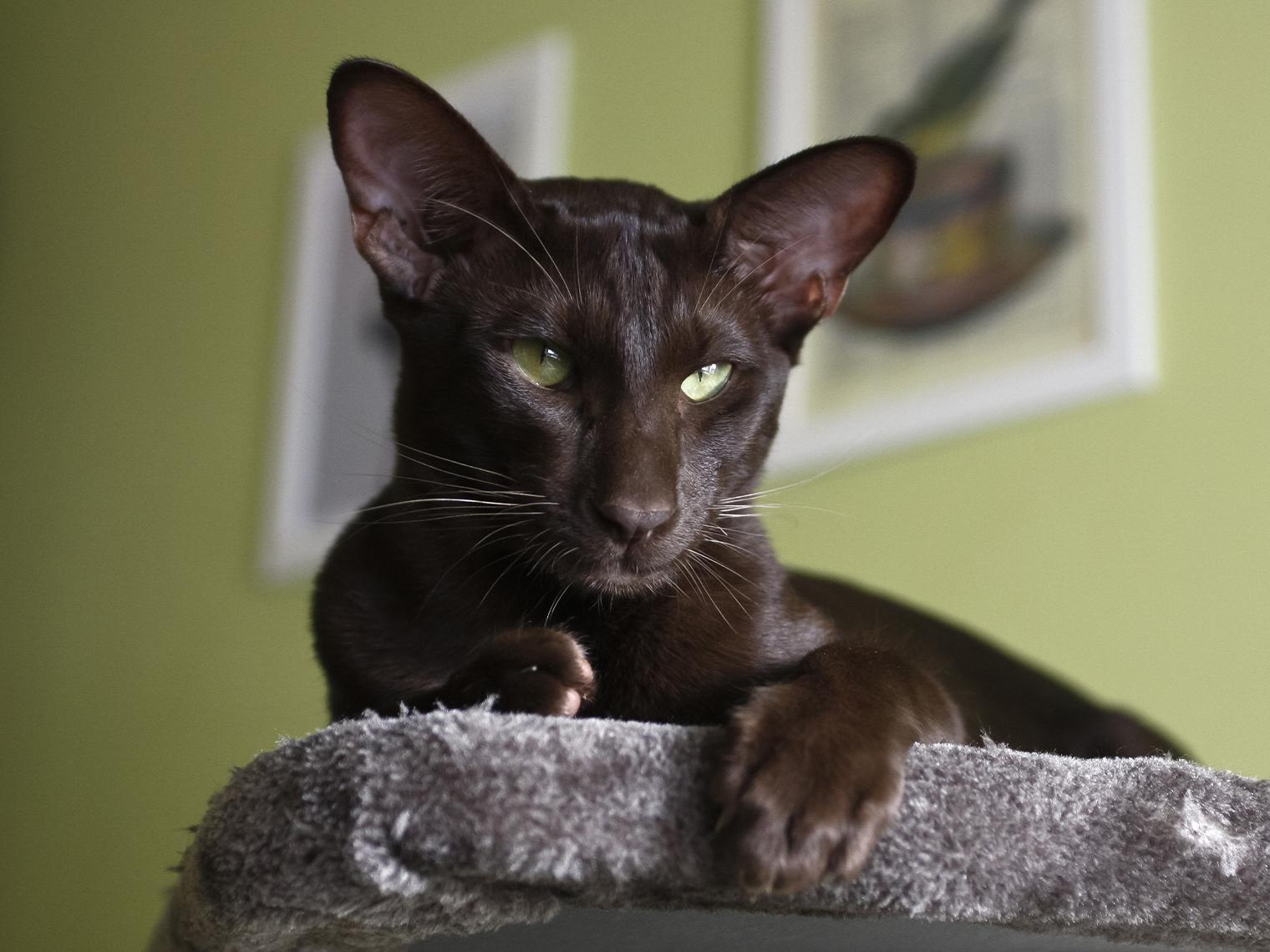
Chocolate coats are a rich brown, distinct from darker “seal” shades. This color is most common in purebred cats such as the Havana Brown or Siamese varieties with chocolate points.
Haley Hagle / Pexels
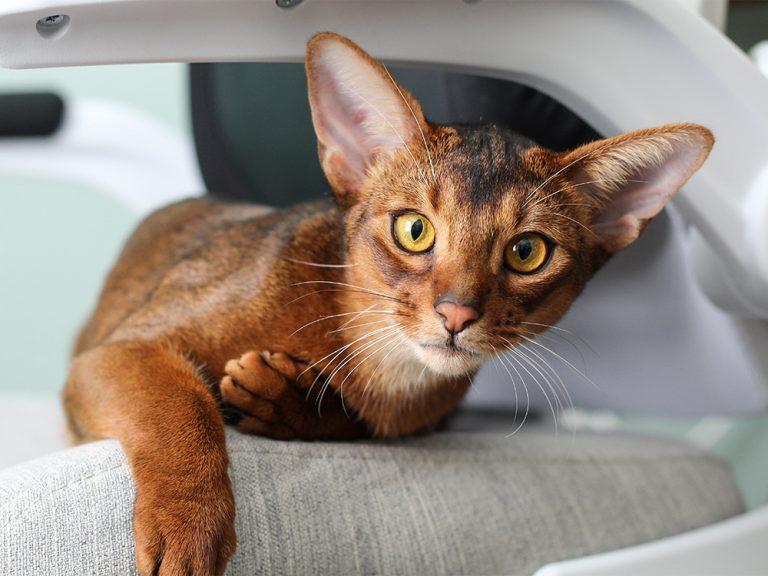
Cinnamon cats are a lighter, reddish-brown variation of chocolate. Their warm coats almost glow in the sunlight. You might see this rare color in breeds like the Abyssinian.
Dmitry Zaitsev / Pexels
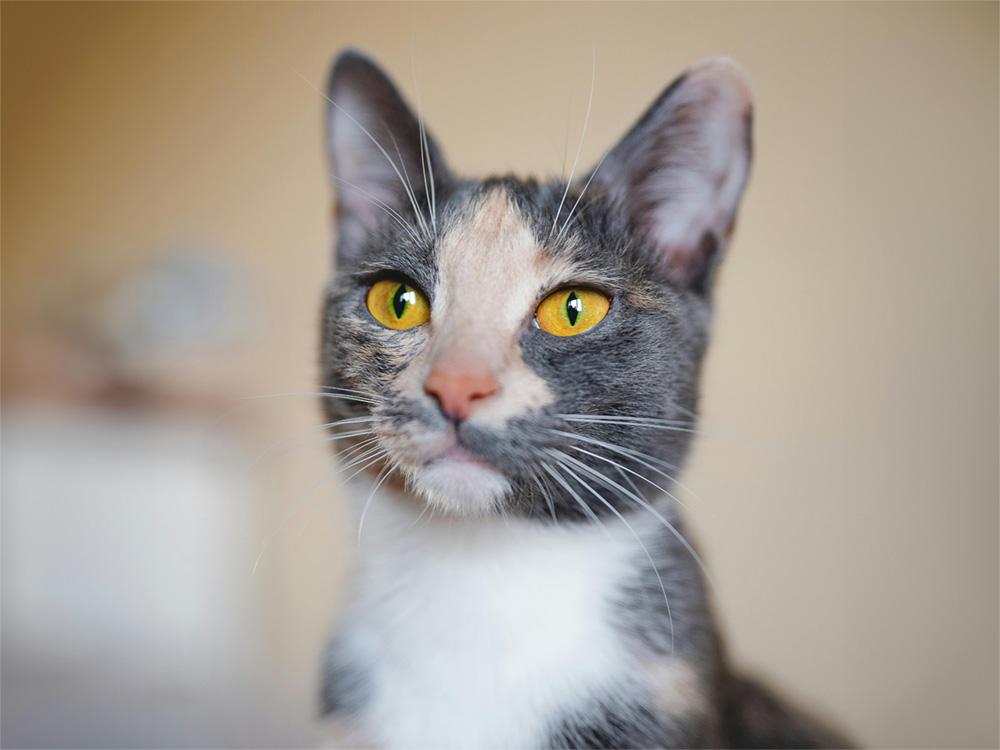
Dilute tortoiseshell: Dilute tortoiseshells have the same pattern as torties but in softer shades — gray and cream, instead of black and orange. Their pastel coats are subtle, yet just as beautiful.
Dilute calicos: As with dilute torties, dilute calicos feature gray, cream, and white patches. The effect is dreamy and watercolor-like, often giving them a gentle, misty appearance.
Cream: Cream cats’ coats are a dilute form of red (or orange). Their pale peach or ivory coats are often paired with white markings or subtle tabby patterns.
Fawn: Fawn is a diluted cinnamon, so it has a soft, warm beige-tan color. It comes from a specific gene that lightens the reddish-brown tones of cinnamon. Fawn is generally a pale, muted, almost dusty beige.
True albino cats lack pigment entirely due to a rare genetic mutation. Their fur is pure white, and their eyes are typically pale blue or pinkish. Albino cats are more sensitive to sunlight and may require extra protection outdoors.
Beyond color, cats can have a stunning variety of patterns, ranging from stripes and swirls to points and patches.
Anna / AdobeStock
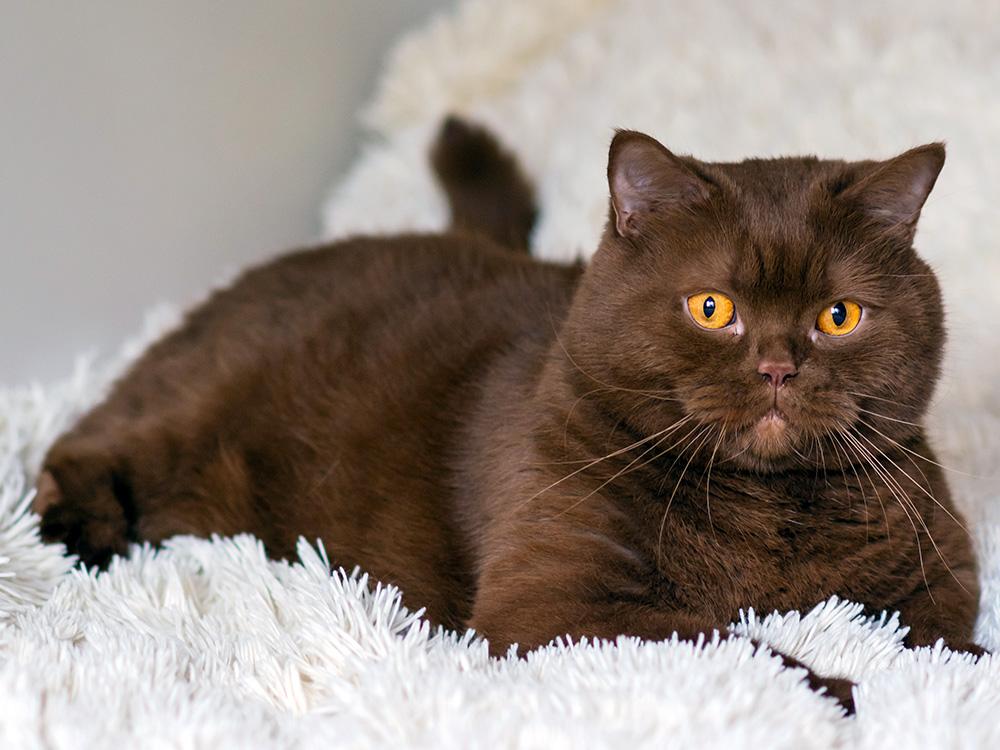
True solid-colored cats have one consistent hue across their coats and are less common than patterned cats — especially in mixed breeds, since the genes that create patterns are dominant and widespread. Many solid-coated cats have small, white markings. Even a cat who looks solid might secretly carry genes for patterns or color variations that just didn’t show up in their fur — genetics can be sneaky like that.
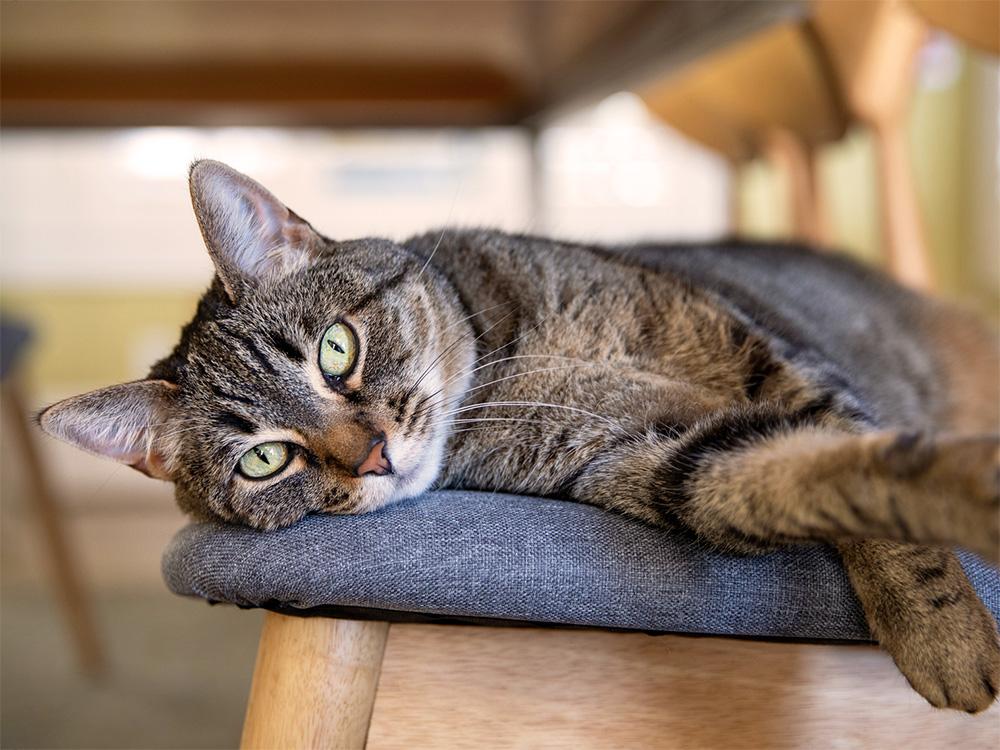
Carolyn Lagattuta / Stocksy
Tabby cats are among the most common and instantly recognizable, thanks to the “tabby gene.” Each tabby pattern comes from a combination of the agouti gene and specific tabby modifiers. Even solid-colored cats can carry hidden tabby genetics.
Classic tabby: Featuring swirling bullseye patterns on their sides, these cats have a bold “M” marking on the forehead.
Mackerel tabby: With vertical stripes that run like fishbones down the body, this is the most common tabby pattern.
Ticked tabby: Individual hairs are banded with multiple colors, giving the coat a shimmering, sandy look — typical of Abyssinians.
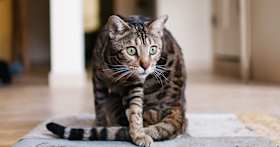
Spotted tabby: These distinct, round or oval spots that resemble a leopard’s coat are common in breeds like the Bengal.
Patched tabby (torbie): With a mix of tabby patterning and tortoiseshell coloring, they’re essentially a “tortie with stripes.”
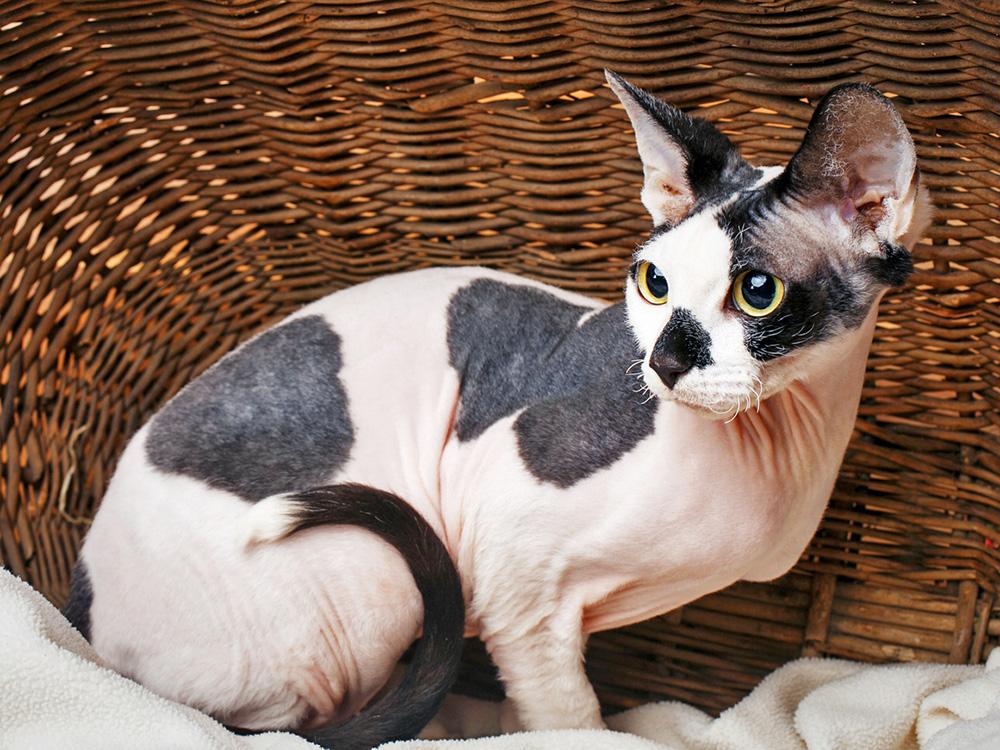
SerKucher / iStock
Bi-color cats have a mix of white and one other color, for example, gray and white. The amount and placement of white can vary widely. But generally, once a second color covers more than about 25 percent of their coat, they’re considered bicolor rather than solid.
Harlequin cats: Harlequin cats are mostly white with large, scattered patches of color
Tuxedo cats: Black and white, with markings that resemble a formal suit, which is where the name stems from
Van cats: Nearly all white except for color on the head and tail
Mask-and-mantle cats: A white body with a colored “mask” over the face and a “mantle” of color over the back and extending down the tail
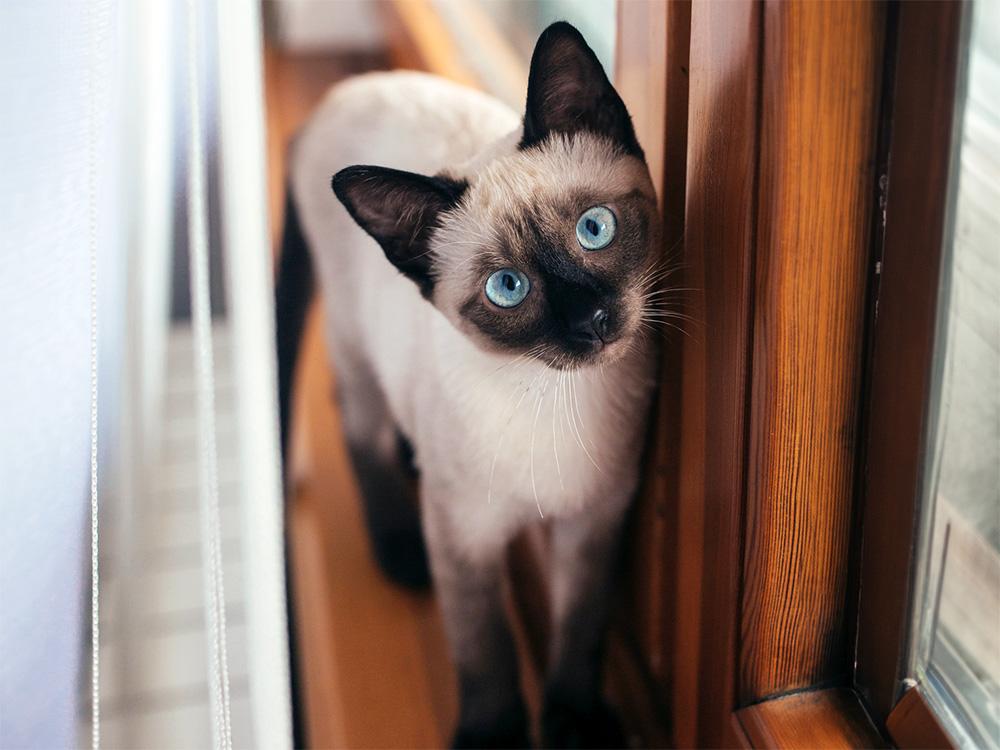
Maja Topcagic / Stocksy
These cats have lighter bodies with darker “points” (ears, face, paws, and tails) caused by a temperature-sensitive gene. Examples of colorpoints include the following.
Tortie point cats: Combines the tortoiseshell mix with the colorpoint pattern — black, cream, and orange points on a pale body
Lynx point cats: A colorpoint cat with tabby striping on the face and legs
Lilac point cat: A very pale, pinkish-gray variation of the traditional blue point
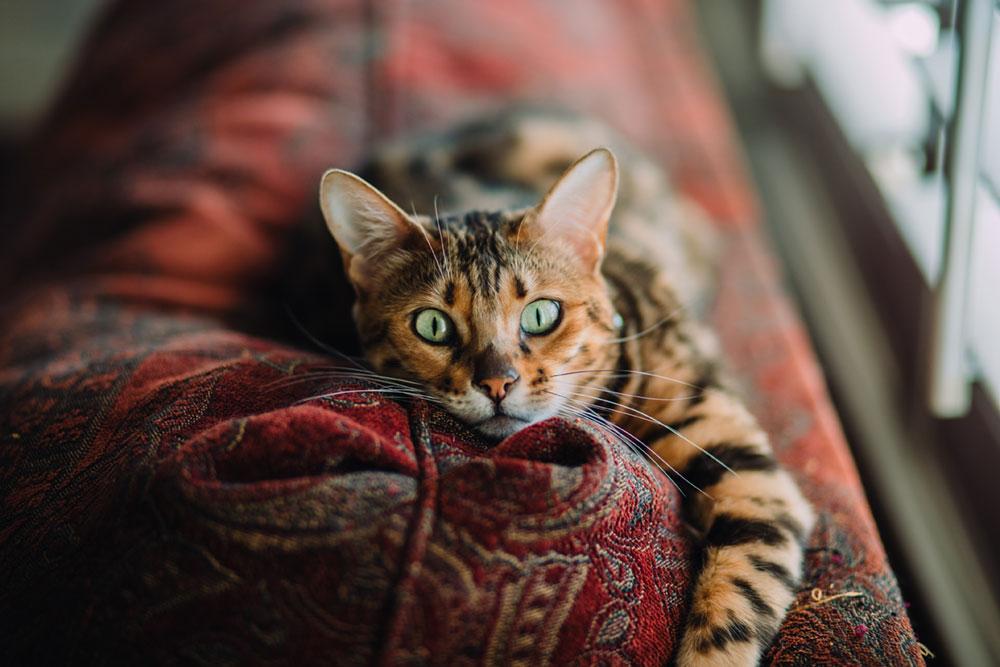
Caleb Woods / Unsplash
Some cats have special shading effects that make their coats shimmer or appear two-toned. Here are a few examples of their shading.
Sepia: Warm, rich tones where the color deepens toward the extremities
Smoke: Solid-colored cats with white roots, giving them a smoky, silvery sheen
Chinchilla: Each hair being white at the base and tipped with color, creating a sparkling, frosted look
Rosette: Spotting with darker outlines, seen in breeds like the Bengal, for a leopard-like coat
Salmiak: A rare pattern that translates to “salty licorice,” mostly seen in Northern Europe, with dark tips on otherwise pale fur
If you’re dreaming of a calico, tuxedo, or tabby companion, Adopt a Pet makes it easy to find cats of every color and pattern. Use the site’s filters to search by color, age, breed, and location — all in one place.
Whether you fall for a blue-gray beauty or a patchwork calico, your perfect cat match is just a few clicks away.
“Cat Genetics 2.0: Colours.” Laboratoire de Génétique Vétérinaire, 26 Feb. 2020, labgenvet.ca/en/cat-genetics-2-0-colours.
“CAT IDENTIFICATION.” University of Florida College of Veterinary Medicine, sheltermedicine.vetmed.ufl.edu/files/2011/11/identification-and-coat-colors-patterns.pdf.
Imes, D. L., et al. “Albinism in the Domestic Cat (Felis Catus) Is Associated with a Tyrosinase (TYR) Mutation.” Animal Genetics, vol. 37, no. 2, Apr. 2006, pp. 175–178, doi.org/10.1111/j.1365-2052.2005.01409.x.
Lyons, L. A., et al. “The Tabby Cat Locus Maps to Feline Chromosome B1.” Animal Genetics, vol. 37, no. 4, Aug. 2006, pp. 383–386, doi.org/10.1111/j.1365-2052.2006.01458.x.
Toh, Hidehiro, et al. “A Deletion at the X-Linked ARHGAP36 Gene Locus Is Associated with the Orange Coloration of Tortoiseshell and Calico Cats.” Current Biology, May 2025, www.cell.com/current-biology/fulltext/S0960-9822(25)00391-4, doi.org/10.1016/j.cub.2025.03.075.
Uniform Color Descriptions Glossary of Terms. TICA, tica.org/phocadownload/ucd.pdf.

Emily Johnson is a long-time pet writer and animal lover, working with brands like PetMD, Rover, Kinship, and more. She’s cared for dogs, cats, and horses her entire life and strives to help fellow pet parents through her content.

Adoption Advice

Adoption Advice
Breed Info
Breed Info
Here’s a quick guide to finding the right gray or silver cat for you.

Adoption Advice
A step-by-step guide on how to adopt a cat — from where to search to what the adoption process entails, to how to prepare your home for your new pet.
Breed Info
The science behind these chocolate-colored felines.
Breed Info
From silky coats to cloud-like fur, meet the fluffiest kitties around.
Breed Info
Thinking of adopting a wild breed? Learn more about domesticated wild breeds and what it takes to keep them as pets.