What’s National Animal Shelter Week?
Celebrate shelters’ hard work by thinking about ways you, too, can help the animals they’re saving.
Celebrate shelters’ hard work by thinking about ways you, too, can help the animals they’re saving.
by Daniela Lopez, | October 27, 2025

kegfire/AdobeStock
With 5.8 million animals entering animal shelters each year, shelters and rescues around the country are tirelessly working each day to save lives and support communities. That sentiment is at the heart of National Animal Shelter Week: to shine a spotlight on the tireless, often unseen work of shelter staff and volunteers who keep pets safe, healthy, and in loving homes.
In celebration of National Animal Shelter Week — which takes place the first week of November — we are highlighting some of the amazing work being done by animal rescues around the country.
National Animal Shelter Week is an event that started in 1996 by the Humane Society of the United States (now known as Humane World for Animals). National Animal Shelter Week celebrates all the hard work that shelters and volunteers do for homeless animals.
Shelter workers and animal welfare officers do a ton of heavy lifting behind the scenes. This includes humane education in schools and communities, low-cost vet clinics to help families keep their pets healthy, outreach programs to make pet parenting more accessible, and all the gritty, everyday work of feeding, cleaning, and caring for hundreds of thousands of animals who need a safe place to call home.
This is hard, exhausting work — often underfunded — but it keeps pets alive, gets them into homes, and gives families resources to stay together. And we appreciate them.
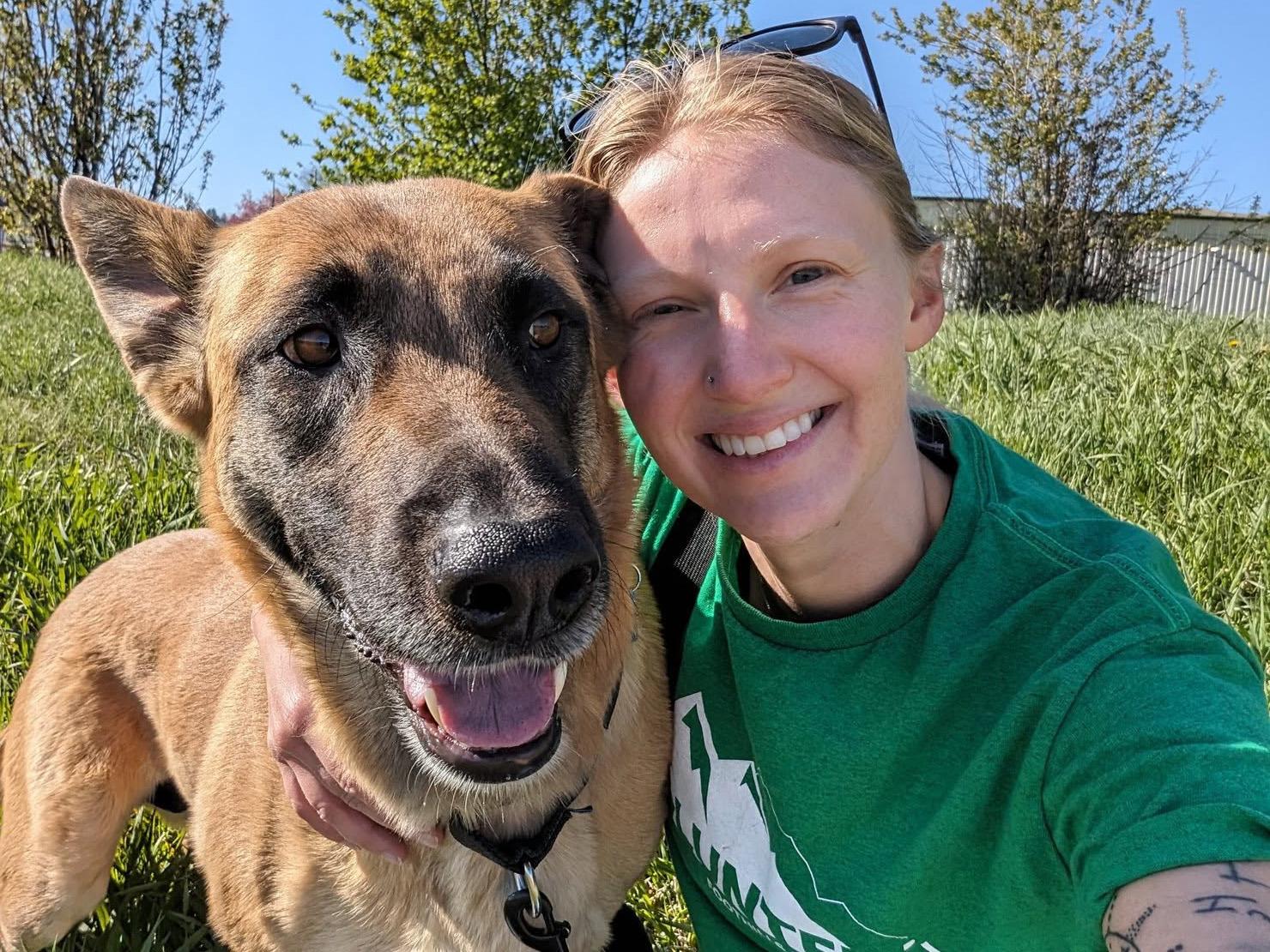
Foothills Animal Shelter
Across the country, shelters are stepping up in creative ways to help pets and the people who love them. Take Foothills Animal Shelter in Colorado: Anyone can access their vaccine clinics, with no residency, ID, or proof of income required. They offer Thursday clinics each week, plus special Saturday sessions nearly every month, with low-cost vaccines, microchips, licenses, and dewormers. They even provide a limited supply of free pet food on-site.
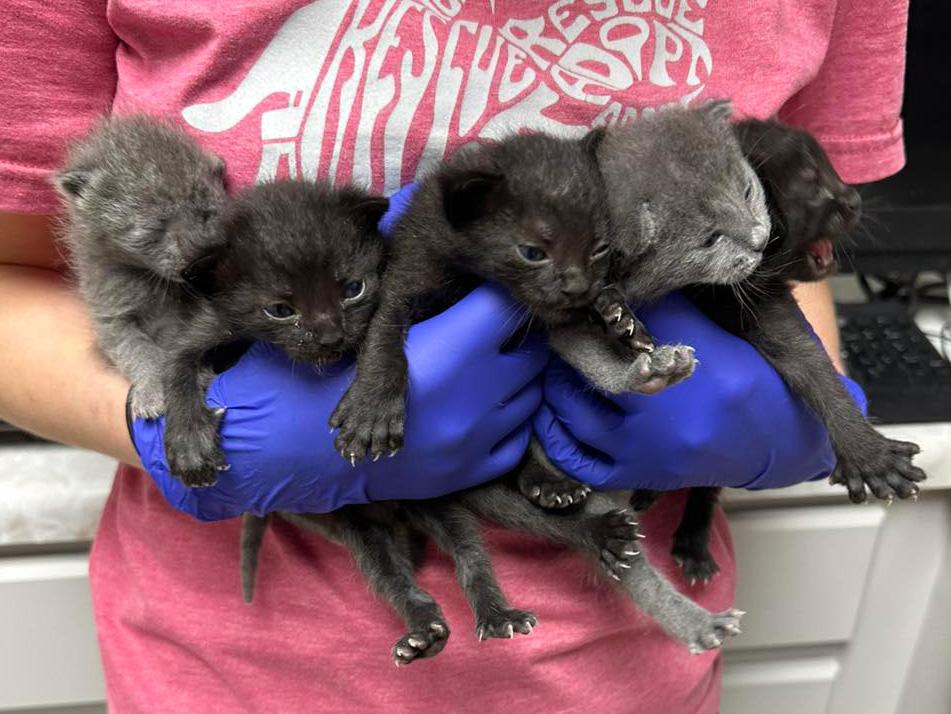
Tuscaloosa Metro Animal Shelter
Meanwhile, in Alabama, the Tuscaloosa Metro Animal Shelter is tackling another piece of the puzzle: helping families afford essential health care for their pets. Through their $20 SnipIt Ticket spay-neuter certificate program, qualifying pet parents can get up to six animals altered, helping prevent unwanted litters and keeping pets healthier for longer. For families facing financial or physical challenges, programs like this can make the difference between keeping a beloved companion and having to surrender them.
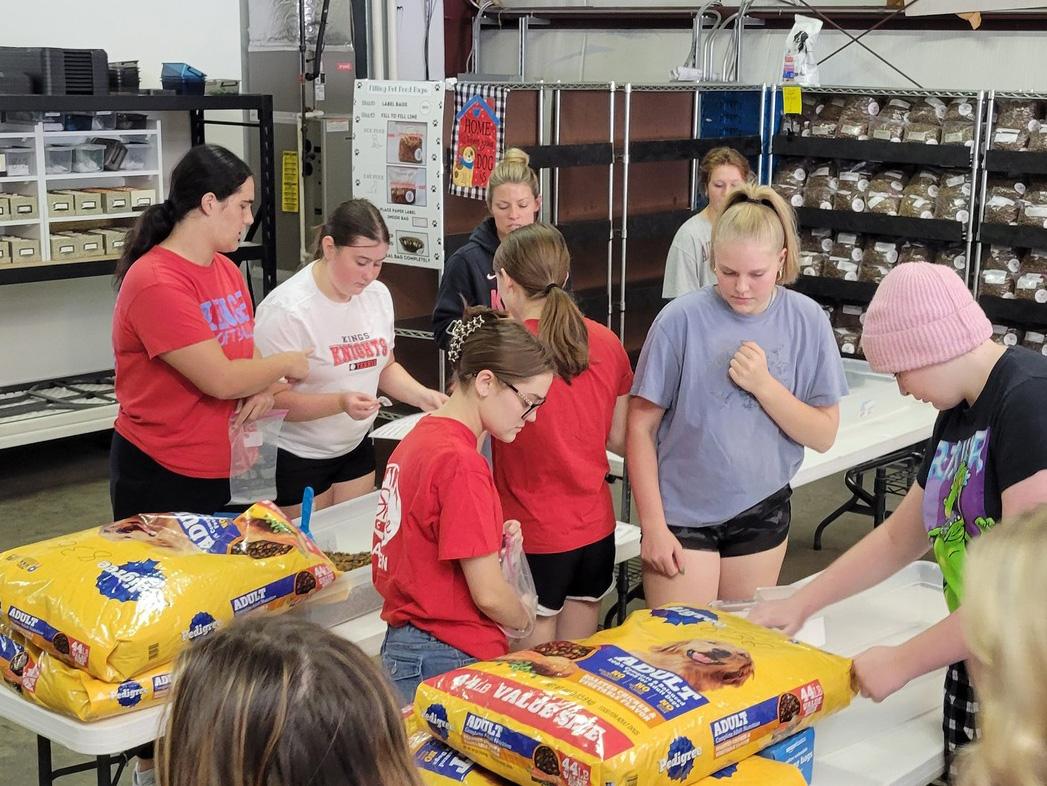
Over in Ohio, SPCA Cincinnati is making sure pets don’t go hungry. Their new Chow Now Pantry provides hundreds of meals weekly to dogs, cats, and small animals in need, ensuring that no one has to give up a pet because of money. The pantry operates pop-ups in the Greater Cincinnati area and even has dedicated storefronts. SPCA Cincinnati also supports veterans by providing them with essential pet supplies each month at the VA Medical Center. It’s a program that combines compassion and community support, demonstrating how shelters are thinking outside the box to meet pets and their families where they are.
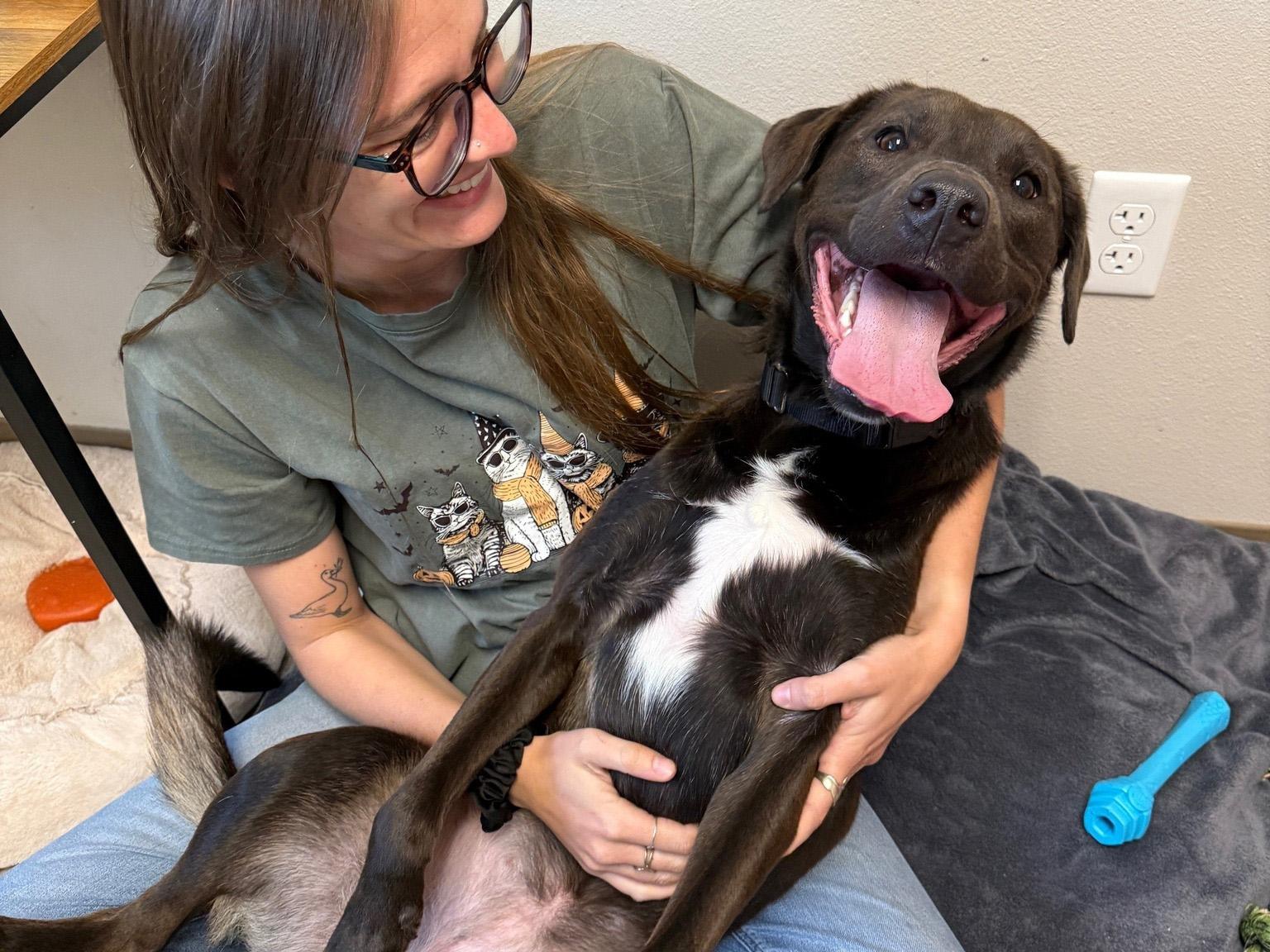
And on the West Coast, Haven Humane Society in Shasta County, California, is thinking ahead and preparing for the worst. After years of operating at or near capacity — and weathering devastating disasters such as the 2018 Carr Fire — Haven is building a new Disaster Response Building. Once complete, the 4,000-square-foot facility will have space for more than 100 animals during evacuations, plus room for disaster training and education services.
If you’re thinking about ways to help homeless animals, here are a few ideas.
Share a picture of a homeless pet: Whether you post a cute video on TikTok or email an Adopt a Pet link to your friends, getting the word out can help connect a pet to a much-needed forever home.
Make a donation: Every little bit counts. Make a monetary contribution online (usually tax-deductible) or pick up a few extra toys or bags of food on your next pet store visit. Most shelters have a wish list on their website and would love help checking off items.
Volunteer: Take this opportunity to find out how you can donate time to a good cause. From walking dogs to stuffing envelopes, your local shelter would love your help.
Get creative: Consider making braided tug toys from old T-shirts or donating cute “ADOPT ME” vests. There are free directions online for both those who sew and those who don’t to get you started.
Adopt: Of course, it would be great to provide a home for a shelter animal this week, but if this is not possible, that’s okay.
Daniela Lopez is the content manager at Adopt a Pet. As a content strategist, she has previously contributed to The Bark, The Wildest, and more. She has volunteered for several non-profits, including the Alameda Animal Shelter and Lost Our Home Pet Rescue, and is currently a foster for her local SPCA. In her free time, she has two mixed-breed rescue dogs keeping her on her toes.

Rehome

Shelters & Rescue

Rehome


Rehome
Calling animal control on a neighbor may be a last resort, but sometimes it’s the right step. Here’s when to call and the steps to take.


Rehome
Found a stray cat? Follow these steps to ensure their well-being while you search for their people.


Shelters & Rescue
Despite being the largest animal shelter in its area, the Animal Foundation has already reached capacity.