Here’s Why Domestic Shorthair Cats Are Good Pets
There’s a reason they’re the most popular type of cat in the US.
There’s a reason they’re the most popular type of cat in the US.
by Jackie Brown, | October 29, 2025
Maria Vitkovska / Adobe Stock
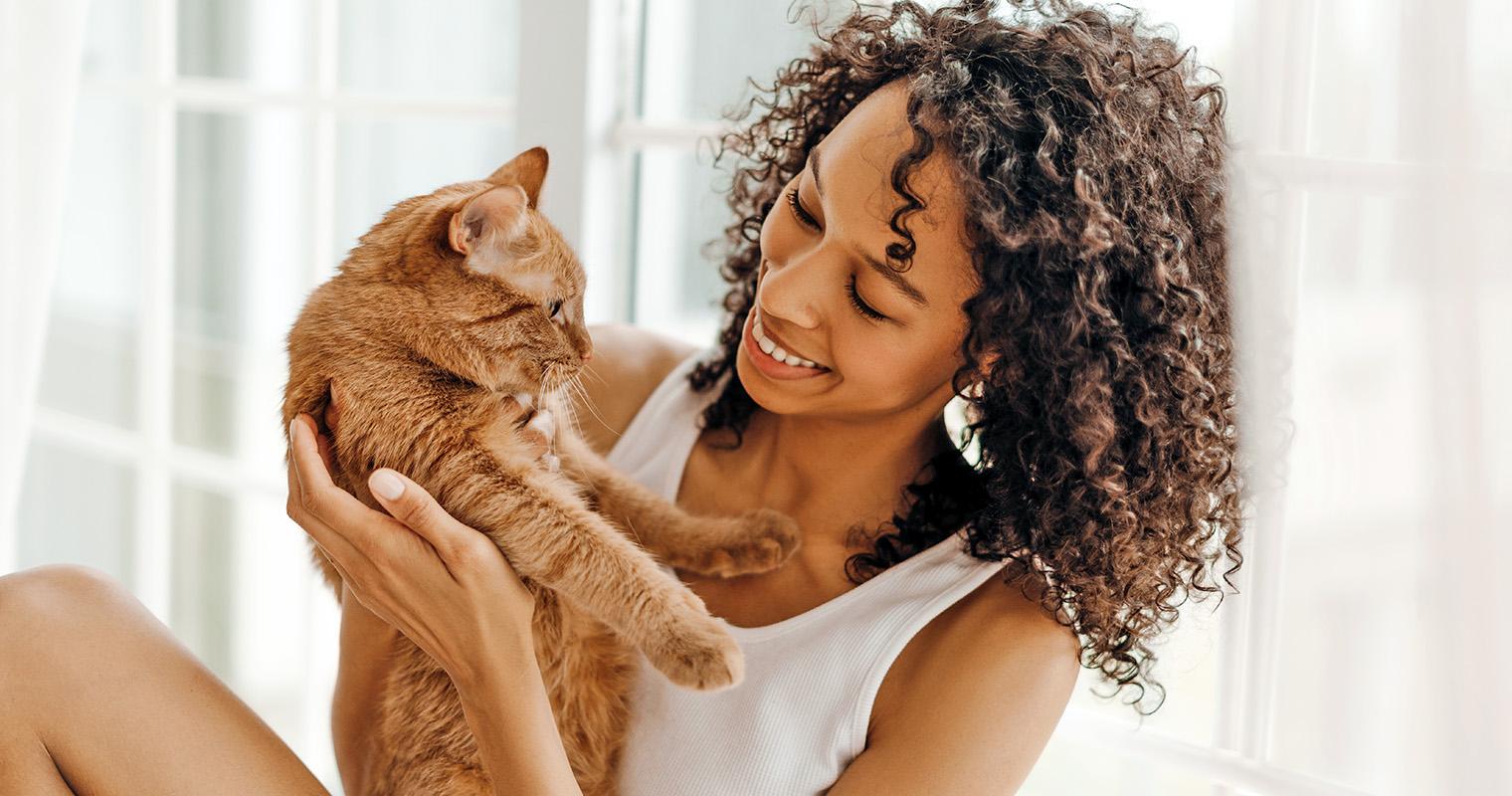
“Domestic shorthair” describes mixed-breed cats who have short hair. Unlike mixed-breed dogs, who might have one or two obvious breeds in their background, domestic shorthair cats are usually mixed with so many different breeds that you’d be hard-pressed to identify any of them. Domestic shorthairs are essentially the shorthaired mutts or Heinz 57s of the cat world. Here’s what you need to know about these popular cats.
EyeEm Mobile GmbH / iStock
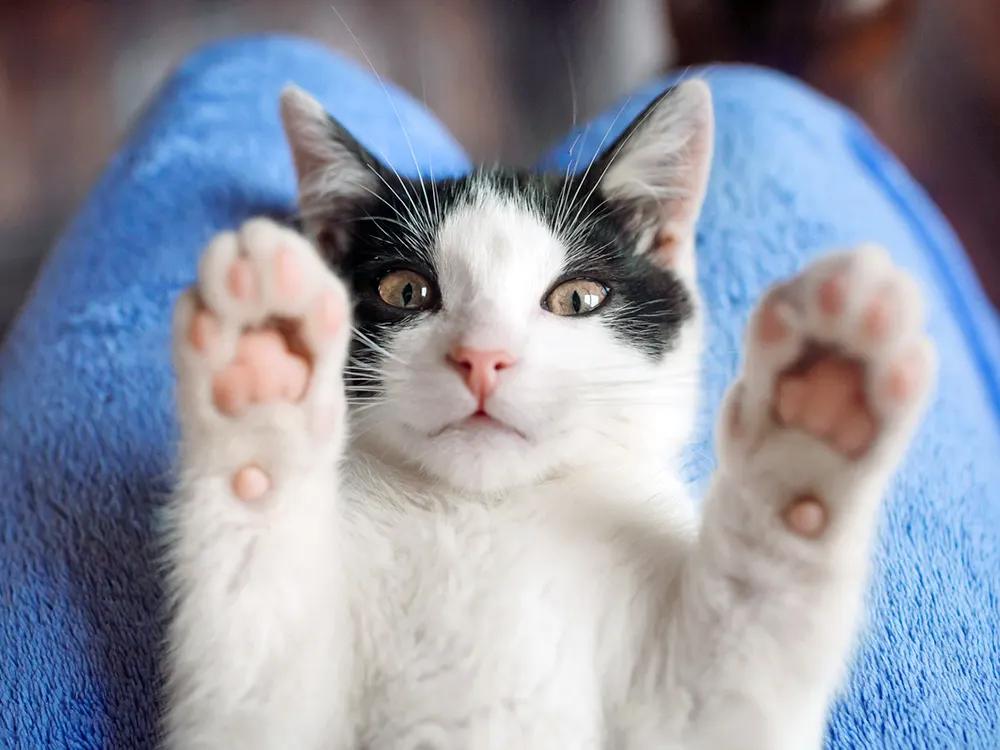
Although they are not a breed, domestic shorthair cats have a lot going for them. Their diverse genetics mean they have a lot of variety. They also make wonderful pets who fit well into many different families. Here are some interesting facts about domestic shorthairs.
Domestic shorthairs come in every color and pattern found in cats.
Their short, easy-care coats are simple to groom.
Domestic shorthairs are generally healthy.
They have a range of unique personalities.
Domestic shorthairs are easy to find in animal shelters and rescue groups.
They are inexpensive to adopt.
Domestic shorthairs make great pets for families and individuals.
They are the most popular cat in the United States.
Domestic shorthairs are adaptable.
Every domestic shorthair is one of a kind.
Artem Zhushman / Stocksy
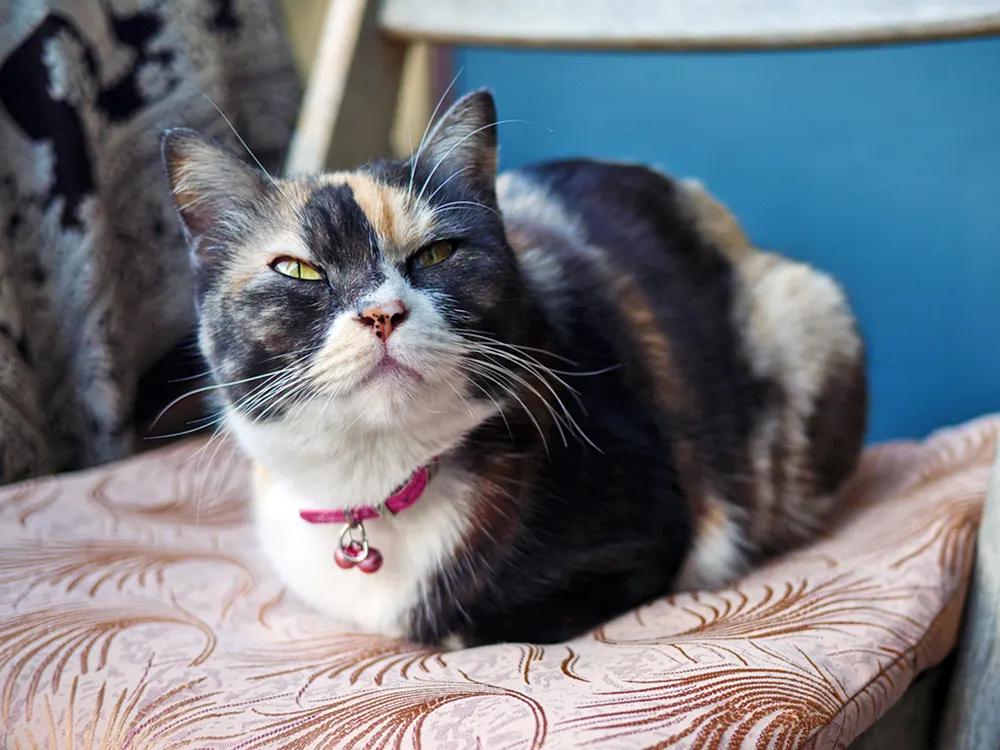
The defining physical characteristic of a domestic shorthair cat is their short coat — after all, it’s how they got their name. Mixed-breed cats typically have one of three coat types: shorthair, medium hair, or longhair. Domestic shorthair cats have coats that are about one-half to one inch long. Most domestic shorthair cats have straight coats, though the texture can vary from smooth and sleek to more plush and dense. Domestic shorthairs usually have double coats made up of a shorter, fuzzier undercoat and a slightly longer, though still short, outercoat.
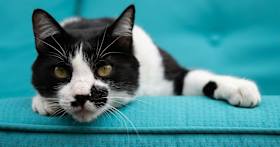
Domestic shorthair cats come in every coat color and pattern that exists in cats, including solid black, white, brown, orange, cream, and gray. They also come in all of those colors with white spots, tabby patterns in all these colors, the black-and-white tuxedo pattern, calico, tortoiseshell, and even the colorpoint pattern found in Siamese cats. If you have a favorite cat color or pattern, you are guaranteed to find a domestic shorthair who fits the description.
In terms of size and shape, you can certainly find some smaller domestic shorthairs as well as larger ones, but most domestic shorthairs are medium-sized with moderate body types.
Melanie DeFazio / Stocksy
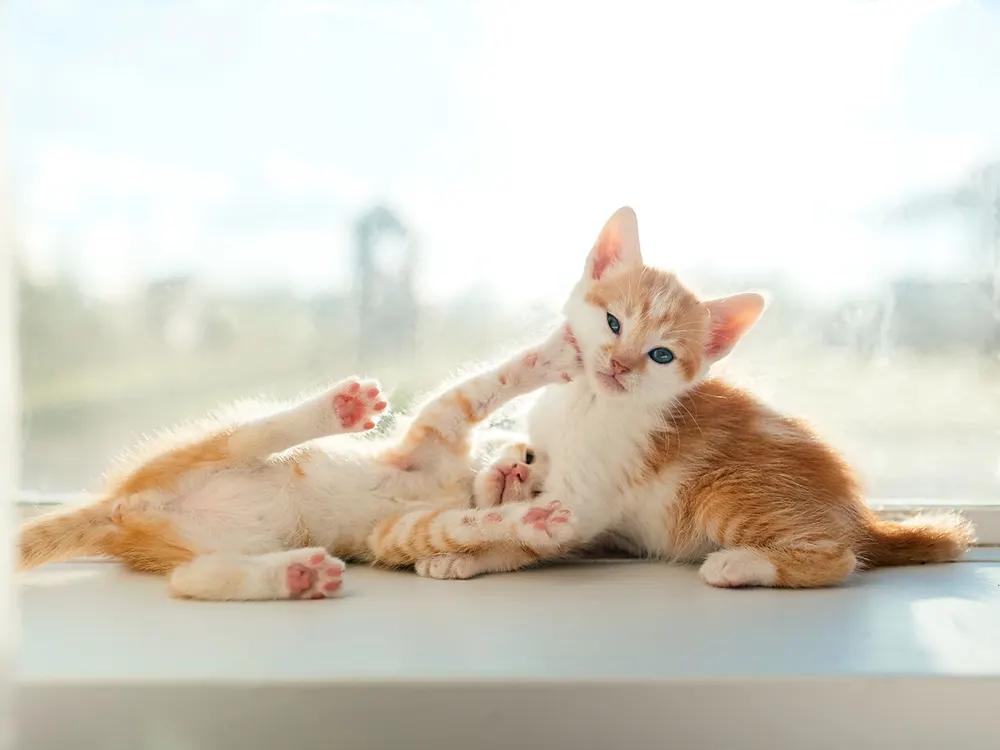
Because domestic shorthairs are a mix of many different breeds, their personalities and behaviors are not standardized the way they may be with purebred cats. This means each domestic shorthair has their own preferences and personality.
Some domestic shorthairs are affectionate and clingy, while others are more independent. Some domestic shorthaired cats are playful and active, but others are mellow. Domestic shorthair cats might be friendly and sociable when visitors come to your home, or they may prefer a quiet connection with you when others aren’t around. In short, it’s hard to say what an adult domestic shorthair’s personality will be like until you get to know them.
Although cats are born with certain tendencies, much of their adult cat personalities are shaped by their early experiences in kittenhood — including whether or not they were socialized to enjoy human interaction. If a domestic shorthair kitten is raised in a bustling family environment, they are more likely to want to be involved in all the action going on at home. If a kitten is raised in a quiet home with older adults, they might grow up to be quietly affectionate with their favorite humans.
Ultimately, because domestic shorthairs are such a mix of many different breeds, they are more likely to be middle-of-the-road cats when it comes to activity levels and desire for human attention and interaction.
Sally Anscombe / Stocksy
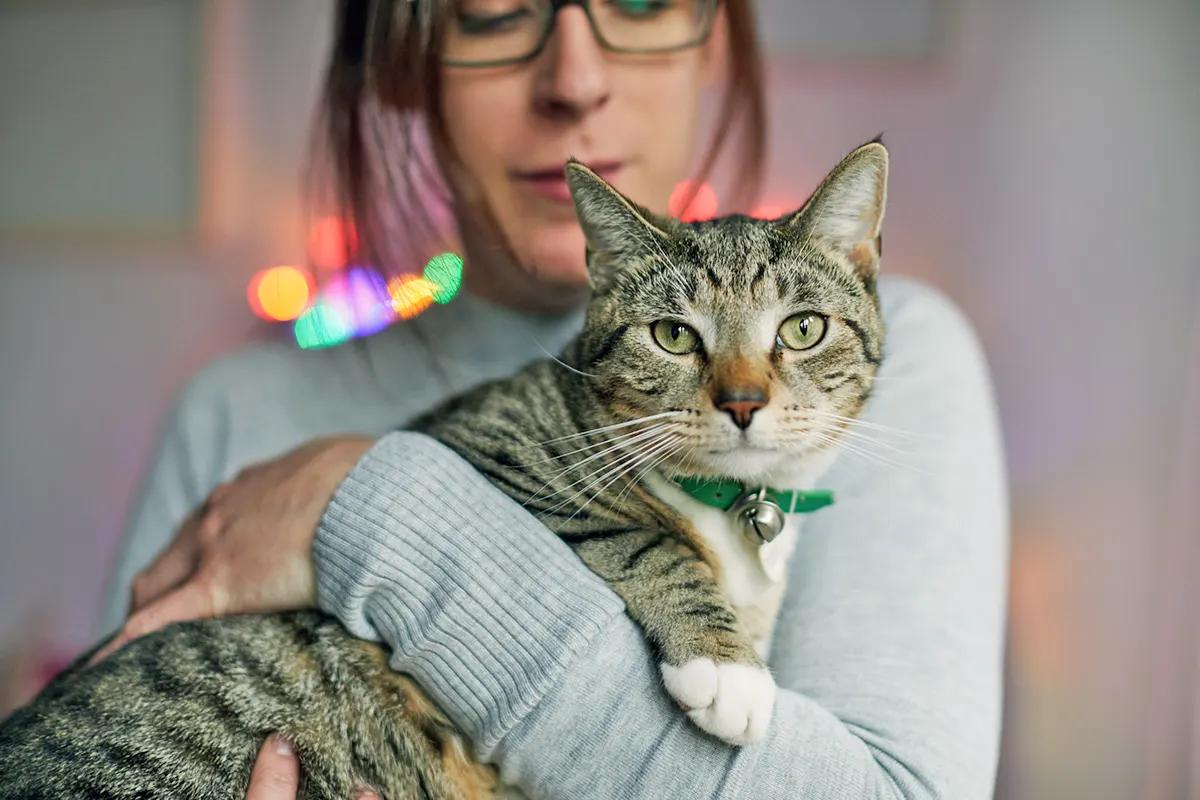
Domestic shorthair cats are genetically mixed, with many cats of unrelated lineage in their family trees. This is an excellent thing when it comes to health. Having such diverse genetic backgrounds leads to something called hybrid vigor, or a tendency to be healthier and hardier than animals with limited gene pools. Although any cat can become sick or develop a health condition, domestic shorthair cats are less likely to suffer from genetic diseases compared to purebred cats.
Many health conditions common to cats can be prevented or minimized with lifestyle choices.
Feeding your cat a healthy diet and encouraging daily exercise and enrichment in the form of play can ward off obesity and related health challenges.
Brushing your cat daily keeps their coat clean and alerts you to any skin or coat problems that might require medical attention.
Providing recommended vaccines and preventives helps your cat avoid diseases and parasitic infections.
Finally, annual wellness checks allow your veterinarian to spot potential health issues for early intervention.
With the right care and a little luck, indoor domestic shorthair cats can live 15 to 20 years or more.
If you’re sold on domestic shorthair cats’ wonderful qualities and are ready to start the adoption process, you’ll find countless domestic shorthairs at local animal shelters and rescue groups. Adult cats are available all year long, and kittens are usually easy to find, especially during kitten season (typically spring to fall).
Quick tip: When searching for a pet to adopt, you might find domestic shorthair cats listed under “DSH.” This is just the abbreviation for domestic shorthair — it’s common shorthand in the shelter and veterinary world.
An easy way to look for your new pet is by creating a search on Adopt a Pet, where you can enter your location and narrow down the results to show domestic shorthair cats close to your home, both in animal shelters and with rescue groups. You’ll be amazed at the diverse selection of domestic shorthair cats in all different colors, patterns, and ages.
When you see a cat who sounds like a good fit for you and your family, you can either apply to the rescue group or visit the cat in person at your local shelter. Many rescue groups also hold adoption events where you can meet multiple cats at the same location.
A domestic shorthair cat is not a breed, but is any cat of mixed or unknown lineage with short hair that’s about one-half to one inch long. Domestic shorthair cats are genetically diverse, with many different breeds in their backgrounds, making each one one of a kind.
Domestic shorthair cats differ from other cat breeds because their appearance and traits are not standardized. They come in many different colors and patterns, and each one has a unique personality. Domestic shorthair cats are typically healthy and long-lived thanks to their genetic diversity.
“Domestic Shorthair | Colours & Facts.” Encyclopedia Britannica, www.britannica.com/animal/domestic-shorthair.
“Domestic Shorthair | Veterinary Genetics Laboratory.” Ucdavis.edu, 2025, vgl.ucdavis.edu/breed/domestic-shorthair.
Griffin, Brenda. Cat Identification. sheltermedicine.vetmed.ufl.edu/files/2011/11/identification-and-coat-colors-patterns.pdf.
“‘Ideal Cat’ Guides Owners.” University of California, 6 Mar. 2013, www.universityofcalifornia.edu/news/ideal-cat-guides-owners.
Illinois.edu, 2022, emmat6.web.illinois.edu/a.html.

Jackie Brown lives in sunny Orange County, CA, where she works as a freelance writer and editor. When she’s not on deadline, you can find her paddling her outrigger canoe in the Pacific Ocean or hiking in the foothills with her miniature poodle and two young boys.
Adoption Advice
Breed Info

Adoption Advice

Breed Info
This rare type of calico cat is characterized by soft, muted colors. Learn more about what makes them so unique.

Breed Info
Black cats are just as talkative, affectionate, curious, and loyal as their multicolored counterparts — not to mention gorgeous.
Breed Info
With over 95 percent of cats in this group, it isn’t even a competition.

Breed Info
Here’s everything you need to know about the different types of harlequin cats.

Adoption Advice
Thinking about adding another cat to your home? Here’s how to expand your family, minus the drama.