Size
(when grown) -
Details
Good with kids,
Good with dogs,
Good with cats,
Needs special attention,
Spayed or Neutered,
Shots are up-to-date,
Story
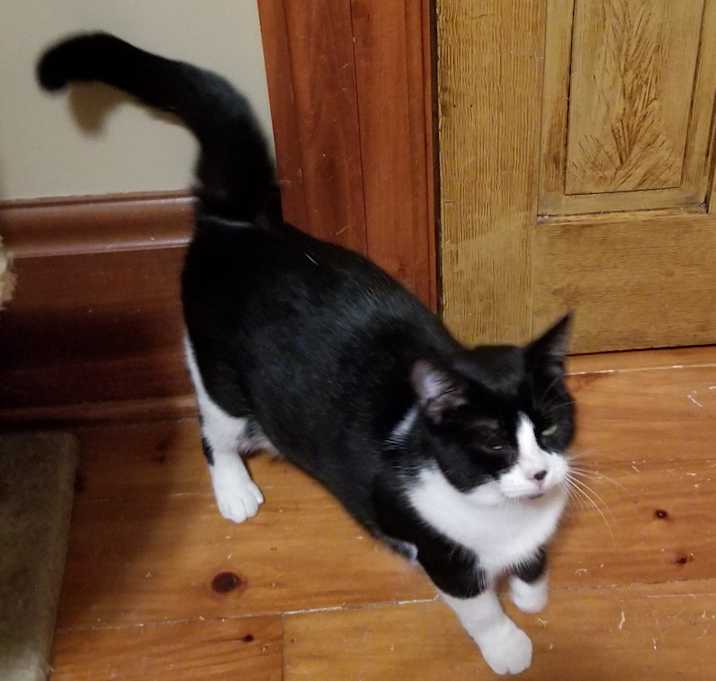
Liam is trouble, but a lovebug, always reaching out to touch his fosters! He is always trying to figure out a way to scoot out the door from his room to go exploring. As soon as you catch up to him his motor starts and he waits for his kisses. He is as healthy as can be and weighs 1.4 kilo's!
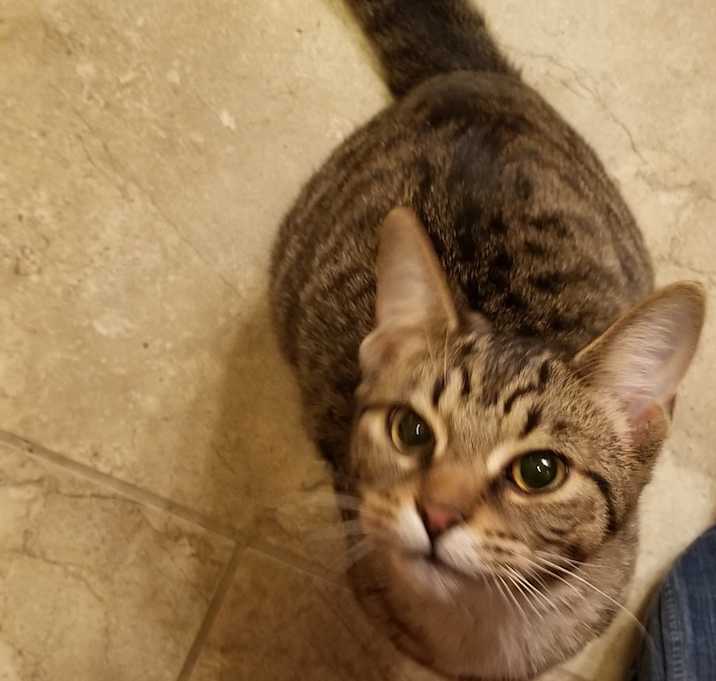
Liam and his siblings are super sweet kitties and are 6 months old, big, healthy and happy and looking for a special forever home. They have tested positive for FIV. The most common way cats get the disease is through bite wounds from an infected cat, but in this case, their momma was positive and passed it to them. Thus, they need to be the only kitty in the home, or in the home with another FIV positive kitty. FIV infection is for life, but many cats with FIV can live a happy, healthy life for many years. FIV positive cats must be kept indoors only, have good nutrition, be provided with low stress environments and need yearly vet visits.
They are vaccinated, dewormed, flea treated and will be spayed/neutered at 6 months and is included in their $160 adoption fee.
An adoption application can be found at www.oxfordcountyanimalrescue.com.
MORE INFORMATION ON FIV!
Who wouldn’t take a big, friendly, gorgeous and sweet FIV-positive cat home?
Not everyone is aware of what FIV really means, and it is important to learn the facts and not the myths that confuse and scare people away from adopting an FIV cat. FIV-positive cats are very adoptable, and can live the same lifespan as an FIV-negative cat.
Is your family at risk if you adopt an FIV-positive cat?
The answer is no, FIV is contractible by cats alone. Being FIV-positive means that the cat has antibodies that have been exposed to the virus, although it can take years, if ever, before the cat develops any FIV infection and clinical signs.
One of the most damaging myths about FIV-Positive cats is that saliva can transfer the virus and therefore sharing the same water and food bowls and licking each other can cause the virus to pass from cat to cat. This is not true – “FIV is mainly passed from cat to cat though deep bite wounds, the kind that usually occur outdoors during aggressive fights and territorial disputes, another reason to keep your cat inside”. It can also be transmitted accidentally through rough play. FIV cats should be adopted to a home with no other cats or another cat who is FIV positive.
The virus is also transmitted through semen, which means a kitten can be infected before, at, or after birth, or from nursing from a mother with the virus.
What are some symptoms that occur in a cat that has FIV?
FIV reduces the cat’s immune system’s ability to respond to any infections due to the lower amount of white blood cells in the body. The best way to manage an FIV cat is to use preventative care so that the cat can be as strong as possible before any of these symptoms manifest, and if they do arise, symptomatic treatment is usually the course of action. Yearly vaccinations, a healthy diet and staying indoors to limit their exposure to potential illness, can extend an already long life.
CONSIDER ADOPTING AN FIV POSITIVE CAT (OR 2)!